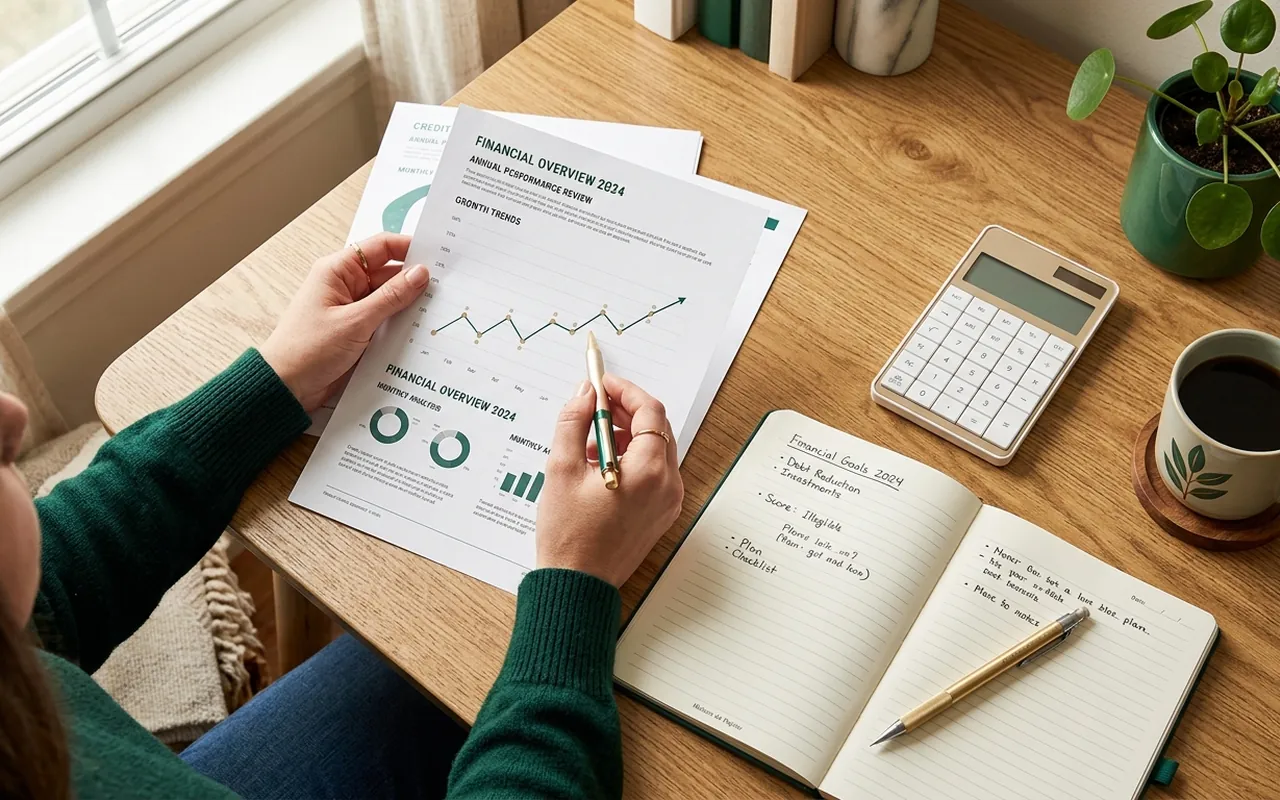
A low credit score can feel like a locked door. It isn't. Plenty of lenders look past the number to the bigger question — can you comfortably afford the payment? — and approve borrowers every day who assumed they had no options. Here's how to find a fair loan with bad credit, and how to use it to climb back.
What "bad credit" actually means
Credit scores typically run from 300 to 850, and lenders sort them into broad bands. While exact cutoffs vary, most use ranges close to these:
- Exceptional (800–850) — the best rates and terms available.
- Very good (740–799) — strong offers, easy approval.
- Good (670–739) — solid, competitive options.
- Fair (580–669) — approvable, but at higher rates.
- Poor / bad (300–579) — fewer mainstream options, higher cost.
If you land in the "fair" or "poor" bands, you have what most lenders call bad or subprime credit. It's common — millions of Americans sit here — and it is not permanent. A score is a snapshot of one moment, not a verdict on your character or your future.
Worth knowing: You're entitled to a free credit report from each bureau every year at AnnualCreditReport.com. Pull yours first — roughly one in five reports contains an error that, once corrected, can nudge your score upward at no cost.
Why credit scores fall
Bad credit rarely means someone was careless. Life simply happens. The most common causes are a stretch of late or missed payments, high balances relative to your limits, a medical bill that went to collections, a divorce or job loss that scrambled the budget, or — for younger borrowers — a credit file that's simply too thin to score well yet. Understanding the cause matters, because it points to the fix. If you want a deeper playbook, our guide on how to improve your credit score walks through the specifics.
Lenders that look beyond the score
The most important thing to know is that not every lender treats your score as a pass/fail gate. At Green Plains Loan, applications are reviewed on an income and affordability basis. We look at whether the payment fits your real budget — your earnings, your existing obligations, and the cushion left over — rather than rejecting you on a three-digit number alone.
That approach is why a bad credit loan from 15% APR can be within reach even when traditional banks have turned you away. The bar is responsible repayment, not perfection.
Loan types you can still get
Several loan structures are realistic with bad credit:
- Installment loans — borrowed as a lump sum and repaid in fixed, predictable monthly payments. The structure makes budgeting easy and builds a steady track record. See how installment loans work.
- Personal loans for fair credit — unsecured loans offered to borrowers who can demonstrate steady income.
- Secured loans — backed by collateral, which can lower the rate because the lender takes on less risk.
- Co-signed loans — a creditworthy co-signer shares responsibility and can unlock better terms.
Before you apply, it's smart to estimate your monthly payment so you know exactly what fits your budget.
How to improve your approval odds
You have more influence over the decision than you might think. A few moves consistently help:
- Show steady income. Reliable earnings are the single strongest signal that you can repay. Have recent pay stubs or bank statements ready.
- Borrow only what you need. Requesting a smaller amount lowers the payment and raises your odds of a comfortable approval.
- Add a co-signer. If a trusted person with strong credit will co-sign, you may qualify for a lower rate.
- Give accurate information. Mismatched income or address details slow approvals and can trigger declines. Double-check every field.
- Reduce existing debt first. Even a small drop in what you already owe improves the affordability math.
Lenders aren't looking for a perfect past. They're looking for evidence you can handle the next twelve months. Bring that evidence and the conversation changes.
What rates to expect
Bad credit loans cost more than prime loans because the lender is taking on more risk — that's simply how lending works. With Green Plains Loan, bad credit loans start from 15% APR, with your exact rate depending on your income, the amount, the term, and applicable law. Always compare the APR (the all-in annual cost) rather than just the monthly payment, and check the full rates and terms before you commit. A fair lender shows you every number up front, with no surprises buried in the fine print.
Two-minute check: Checking your rate with Green Plains Loan never affects your credit. See what you qualify for — you'll get a clear, honest number with no obligation to accept.
Red flags: predatory lenders to avoid
Where there's demand, there are bad actors. Walk away from any lender that shows these warning signs:
- "Guaranteed approval, no questions asked." No responsible lender approves everyone — they're required to assess whether you can repay.
- Pressure to act "right now." Urgency is a tactic to stop you from reading the terms.
- Upfront fees to "release" your loan. Legitimate lenders deduct fees from the loan or disclose them clearly — they never demand a payment before funding.
- Hidden APR or vague terms. If you can't find the APR and total repayment in writing, that's the answer.
- No license or contact details. A real lender tells you who they are and where to reach them.
The goal is a loan that helps you move forward, not one that traps you. Our responsible lending guidance covers how to borrow safely.
How borrowing responsibly rebuilds your credit
Here's the part that surprises people: a bad credit loan, handled well, can be one of the fastest ways to repair your score. Because payment history is the largest single factor in your credit, every on-time payment is reported to the bureaus and works in your favor. Borrow an amount you can comfortably afford, set up autopay so you never miss a due date, and let the months stack up. A loan you used to climb out of a hole becomes proof to future lenders that you're back on solid ground.
Ready when you are. The process is simple: apply in minutes with a no-impact rate check, get a decision in 24–48 hours, and receive funds in 1–2 business days. Check your rate now or run the numbers first.